You purchased active safety systems to help protect your fleet.
Do you know when one stops working?
Fleet Coach helps you close risk gaps caused by active safety data hidden or hard to access across OEM and telematics portals. The result is greater visibility, control, and predictability.
Three questions about how you manage active safety data

Q1: Do you have systems offline?
Active safety status and fault code data can be scattered across OEM and telematics portals. Is hard-to-access data keeping you from seeing which systems aren’t working properly?
Q2: Who owns the response?
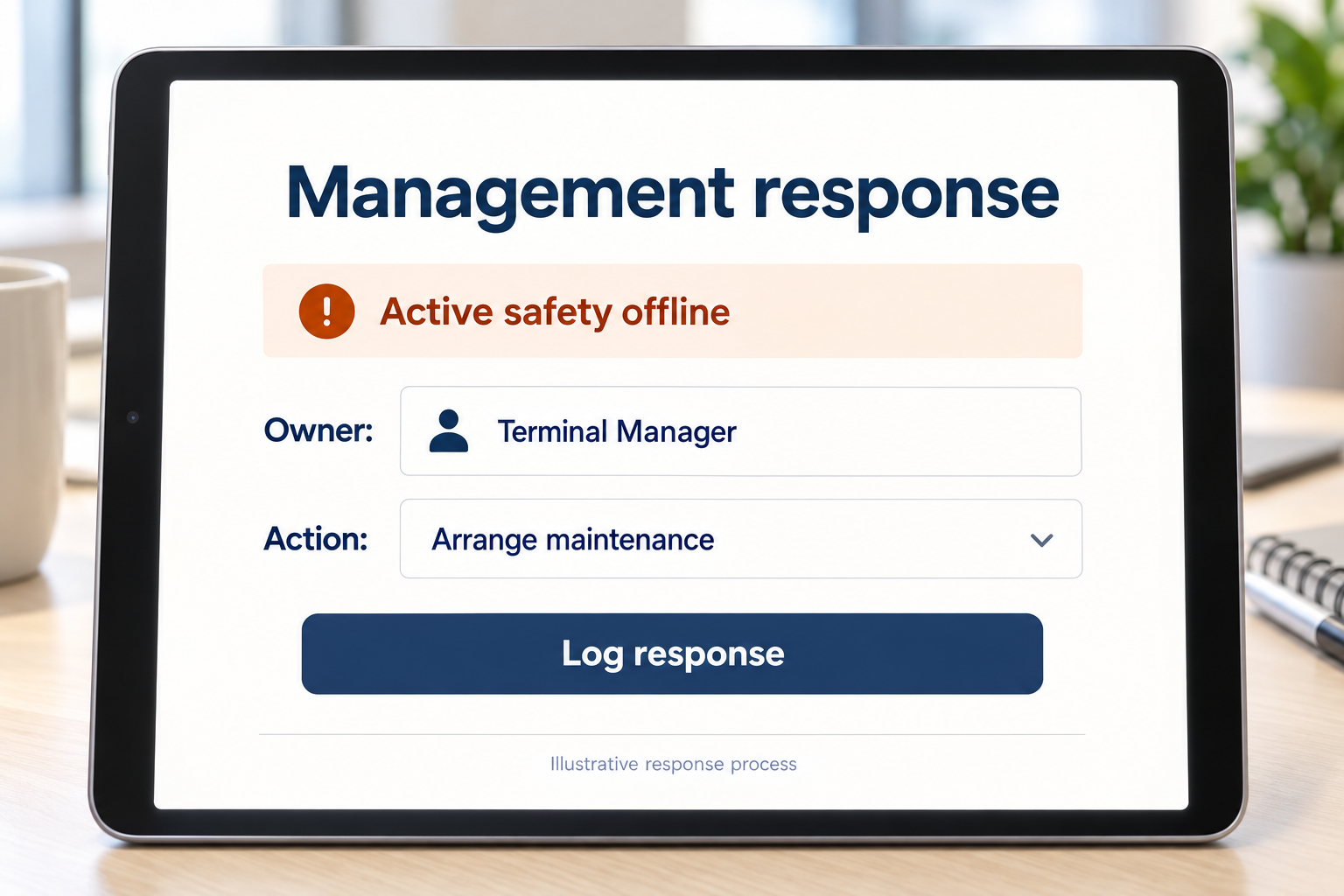
When an active safety system goes offline, do your managers have clear response thresholds and an easy way to take action? Is ownership assigned, with agreed next steps?
Q3: Do you close the loop?
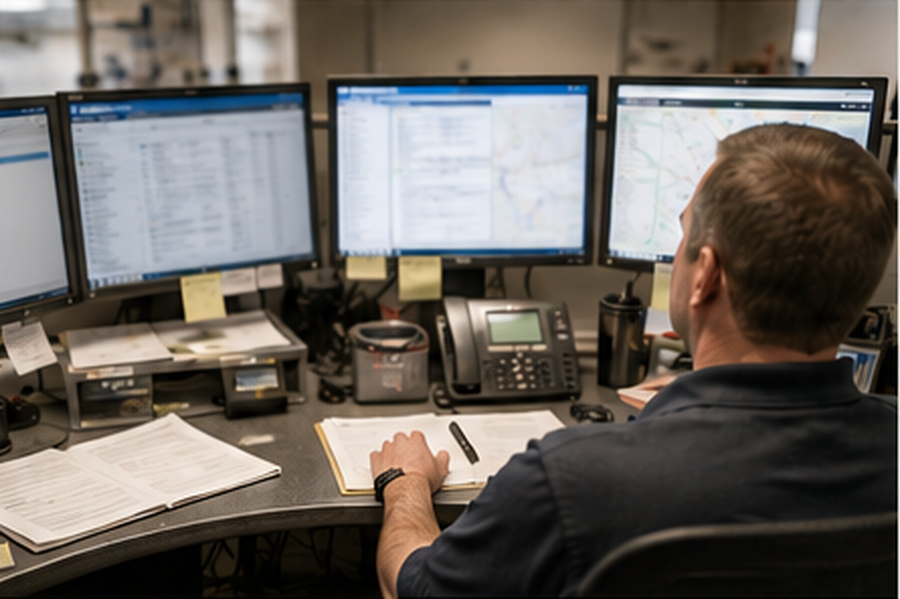
Do you capture why an active safety system went offline? Do you use OEM fault codes to identify recurring patterns and apply what you learn to improve your process?

You’re not just another fleet.
You deserve an expert.
Mike has 27 years of experience in Class 6-8 product engineering and operations management. For the past 10 years, his work has been focused around customer data portal solutions and active safety system development. Mike has helped countless fleets understand the value of these safety systems, and addressed the challenges of making them work in daily operations.
Through Fleet Coach, Mike now brings his experience to modern, safety focused fleets that run any brand or mix of brands spec'd with active safety systems. He also helps consult fleets that are considering safety systems for the first time on how best to onboard them. You have a fleet to run, you deserve a process that proves you have visibility and control over your active safety systems.
Start with a conversation.
1. Discovery Call
A conversation to understand your current process and whether we are the right fit for each other.
2. Scoping Call
Bring the right people into the conversation and set the scope for the Diagnostic Review.
3. Diagnostic Review
I examine your current process, report the findings, and recommend action where needed.
Review findings. Then you decide what happens next.
Review Findings
I schedule a report-out meeting where we walk through your Diagnostic Report. If there are gaps, I will recommend solutions to close them. You decide whether to have Fleet Coach lead implementation or to have your team run the project.
Optional 90-day sprint
I work with your team and technology partners to put agreed improvements in place, with clear ownership and response procedures so your leaders spend less time chasing answers.
Optional ongoing coaching
I help your leaders maintain a consistent review routine and documented follow-through, so they know what has been handled and what still needs attention.
Know what you’re getting into.
Will we have to replace our technology?
I begin with the technology you already use. The review identifies where data access, configuration, tools, or processes may need to change.
Can you help a fleet with several truck brands?
Yes. I work with fleets running any brand or mix of brands, coordinating with your team and the relevant technology partners.
How much time will you need from our team?
Together, we agree on scope and participation before the review begins. I need access to the people who manage safety, maintenance, operations, and relevant data. The effort depends on your fleet and the issues being reviewed.
Do we have to commit to ongoing coaching?
No. Implementation and ongoing coaching are optional. After the Diagnostic Review, you decide whether your team will carry out the recommendations or work with Fleet Coach.
What if our data is incomplete?
That is part of what I review: what is available, what can be relied on, and what needs to be connected or improved.
What results should we expect?
The Diagnostic Review provides findings and priorities. For implementation, you and I agree on measures appropriate to your fleet, such as visibility into offline systems, response time, and completion of follow-up. Results depend on the starting point and the work carried out.
Let’s Talk About Your Fleet
Or write to info@thefleetcoach.com.